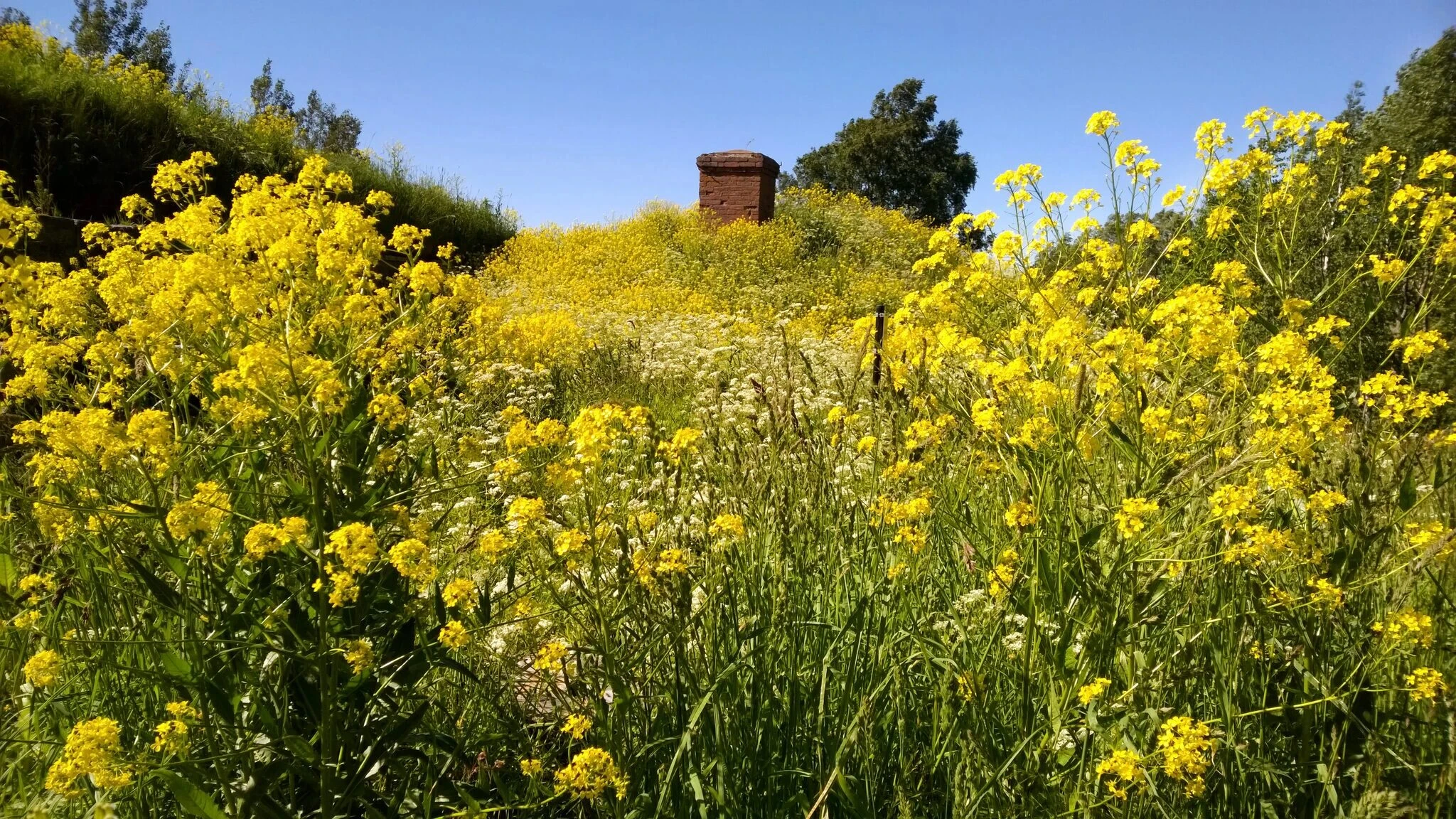
Vallisaari – the island of Helsinki’s wildest nature
In few European capitals can you find, 20 minutes from the city centre, a place where an eagle owl nests in old cellars, common noctule bats glide above 19th-century fortifications, and over a thousand butterfly species, some of them endangered, thrive in valleys with a richness that rivals Central European meadows.
Vallisaari is one such place. This nature site beside Suomenlinna is the most biodiverse island in the Helsinki archipelago – and it is so precisely because humans stayed out of nature’s way for such a long time.
Why is Vallisaari’s nature so special?
Vallisaari and the neighbouring Kuninkaansaari were a closed military area from 1808 until 2016, when they were opened to the public. During that time, nature was left entirely undisturbed.
The result is a uniquely layered ecosystem:
Plant life: Vallisaari is the most species-rich of all 200 surveyed islands in the Helsinki archipelago – over 400 plant species across its groves, meadows and shores.
Butterflies: The island’s southern fortification meadows support over 1 000 butterfly species, approximately 10% of which are rare or endangered.
Bats: Five protected bat species inhabit the island: the common noctule, whiskered bat, Daubénton’s bat, brown long-eared bat and pipistrelle.
Larger wildlife: White-tailed deer live on the island year-round; elk swim across from Santahamina. Badger, fox and pine marten are permanent residents – and an eagle owl nests in the island’s quieter corners.
Birds: Robins, nightingales and multiple warbler species nest in densities resembling Central European forests. The biodiversity is exceptional.
Vallisaari’s key natural features – what to see on a nature walk
Fortification meadows and butterfly valleys
The southern fortification meadows are exceptional by Finnish standards: decades of military land management kept the ramparts and grasslands open, inadvertently creating a near-Central European meadow ecosystem.
In late summer, the density of butterflies on these meadows is a sight rarely encountered anywhere near a Nordic capital.
Bats at dusk
The island ponds near the Aleksanteri Circuit and the old military tunnels are prime bat foraging and breeding habitat. At sunset – especially in June and July – you can watch common noctule bats and Daubénton’s bats hunting over the water surface. A quietly magical experience.
Linden Avenue – a Finnish natural rarity
The Linden Avenue (Lehmuskuja) running through the island’s northern section is said to be unique in Finland. Tall, ancient lime trees have grown into a tunnel-like alley that feels entirely separate from the modern world.
The island ponds
Vallisaari was known for its clean water as far back as the Middle Ages – sailors stopped to collect fresh water from its ponds. Today the crystal-clear lily-pad ponds remain among the island’s most beautiful natural features, with picnic spots along their banks.
Protected alder swamp
In the island’s eastern section lies a protected alder swamp (tervaleppäkorpi) covering over half a hectare – a rare wetland habitat whose plant life and fauna differ markedly from the rest of the island.
Woodland floors and wildflowers
Spring on Vallisaari announces itself through stitchwort and lily of the valley carpeting the forest floors. By late summer the western cliff meadows burst into wildflowers. The island is dominated by deciduous woodland – lime, ash and oak grow in unusual density.
Nature trails on Vallisaari
Aleksanteri Circuit – 3 km
The main trail winds through the island’s finest natural and historical scenery. Well-marked and largely flat, it is suitable for pushchairs along most of the route.
On the trail you will see:
The island ponds
Fortification meadows and wildflower grasslands
Aleksanterinpatteri – panoramic viewpoint over the entire archipelago
Linden Avenue
Length: 3 km | Duration: 1–2 h | Difficulty: easy
Kuninkaansaari Circuit – 2.5 km
From Vallisaari you can walk to the neighbouring island of Kuninkaansaari via a stone causeway. The circuit here is shorter but more varied terrain – and there is also a small sandy cove.
Length: 2.5 km | Duration: 1–1.5 h | Difficulty: moderate
Why staying on the marked trails matters
The most ecologically valuable parts of Vallisaari are often precisely the areas not accessible to visitors. The island’s southern section is restricted for two reasons: unexploded ordnance remaining from the catastrophic 1937 ammunition explosion, and particularly sensitive natural habitats that need protection from human pressure.
Staying on marked paths is what keeps Vallisaari’s nature intact for the decades to come.
Vallisaari and the Helsinki Biennial – where art meets nature
Every two years, Vallisaari hosts the Helsinki Biennial, an international contemporary art event. Artworks are placed in dialogue with the island’s nature, fortifications and buildings – not imposed on the landscape, but responding to it. The 2025 edition ran from June to September.
For nature visitors, the Biennial adds an extra dimension to the island experience – but Vallisaari is equally rewarding as a natural destination outside of Biennial years.
When should a nature lover visit?
Season | Natural highlights |
May–June | Woodland flowers in bloom, lily of the valley, bird nesting season |
July–August | Wildflower meadows, peak butterflies on fortification grasslands, bats at dusk |
September | Quietest period, mushrooms, autumn colours, space to breathe – and darkening evenings at Aleksanterinpatteri, one of the least light-polluted spots in Helsinki |
Practical information for nature visitors
Access: Ferry from Market Square, ~20 min, ticket under €10 return
Season: May–September (ferry service)
Dogs: Always permitted on a leash
Remember:
Sturdy footwear for varied terrain
Sun protection
Eat on the island or bring your own food and water. A water bottle is always a good idea!
Binoculars
Frequently asked questions about Vallisaari’s nature
What wildlife can I expect to see? Yes – encountering a white-tailed deer or some of the thousands of butterfly species along the trail is very likely. Badgers, bats and birds can also be spotted in favourable conditions.
Why is the southern part of the island closed? The area contains unexploded ordnance from the 1937 ammunition explosion, as well as exceptionally sensitive natural habitats.
Is the nature trail suitable for families with children? Very much so.